
Antenne 47: Radio Sofa opens web radio café-bar in Paris
Antenne 47 : Radio Sofa ouvre son café-bar et studio radio à Paris
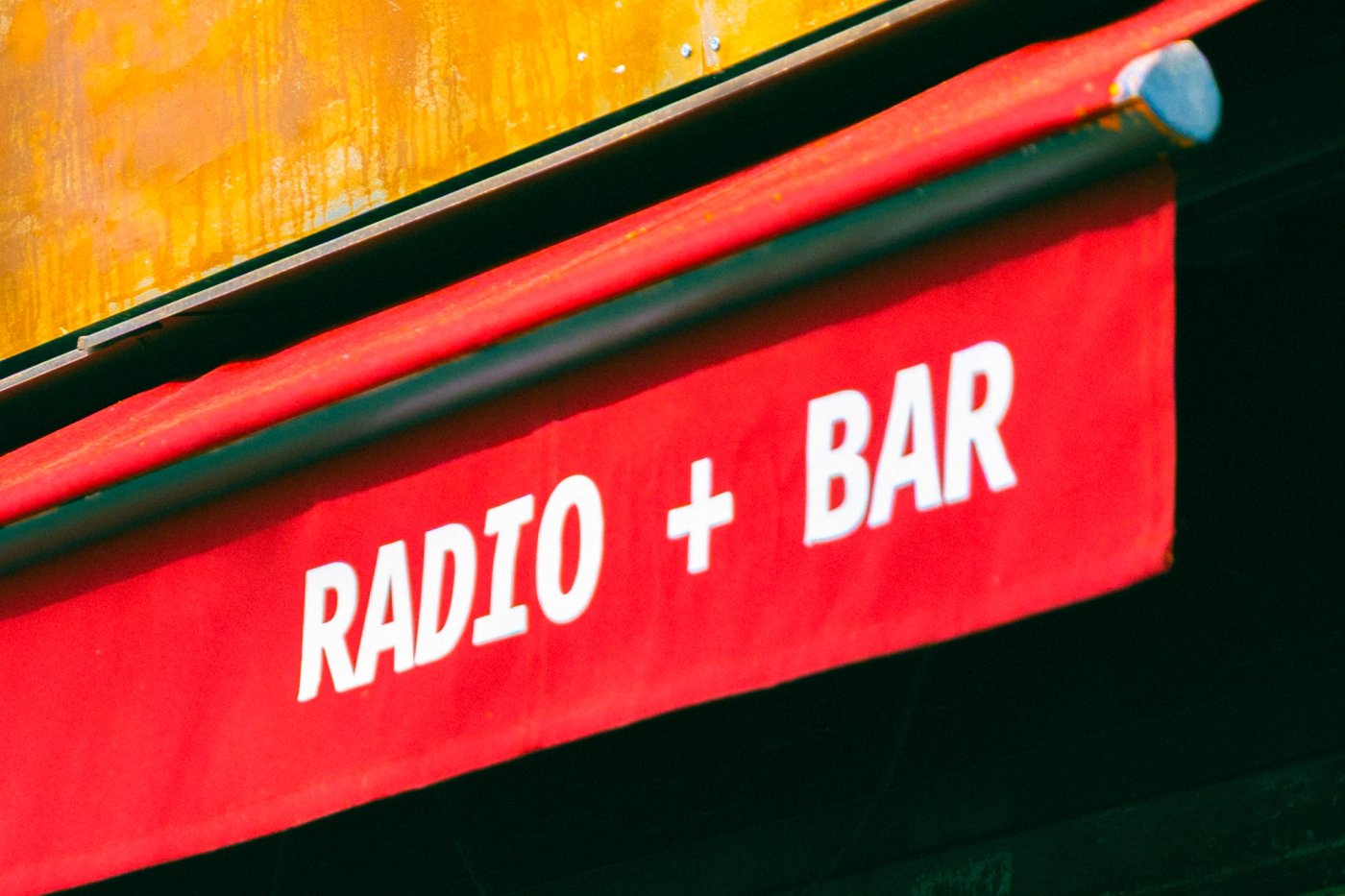
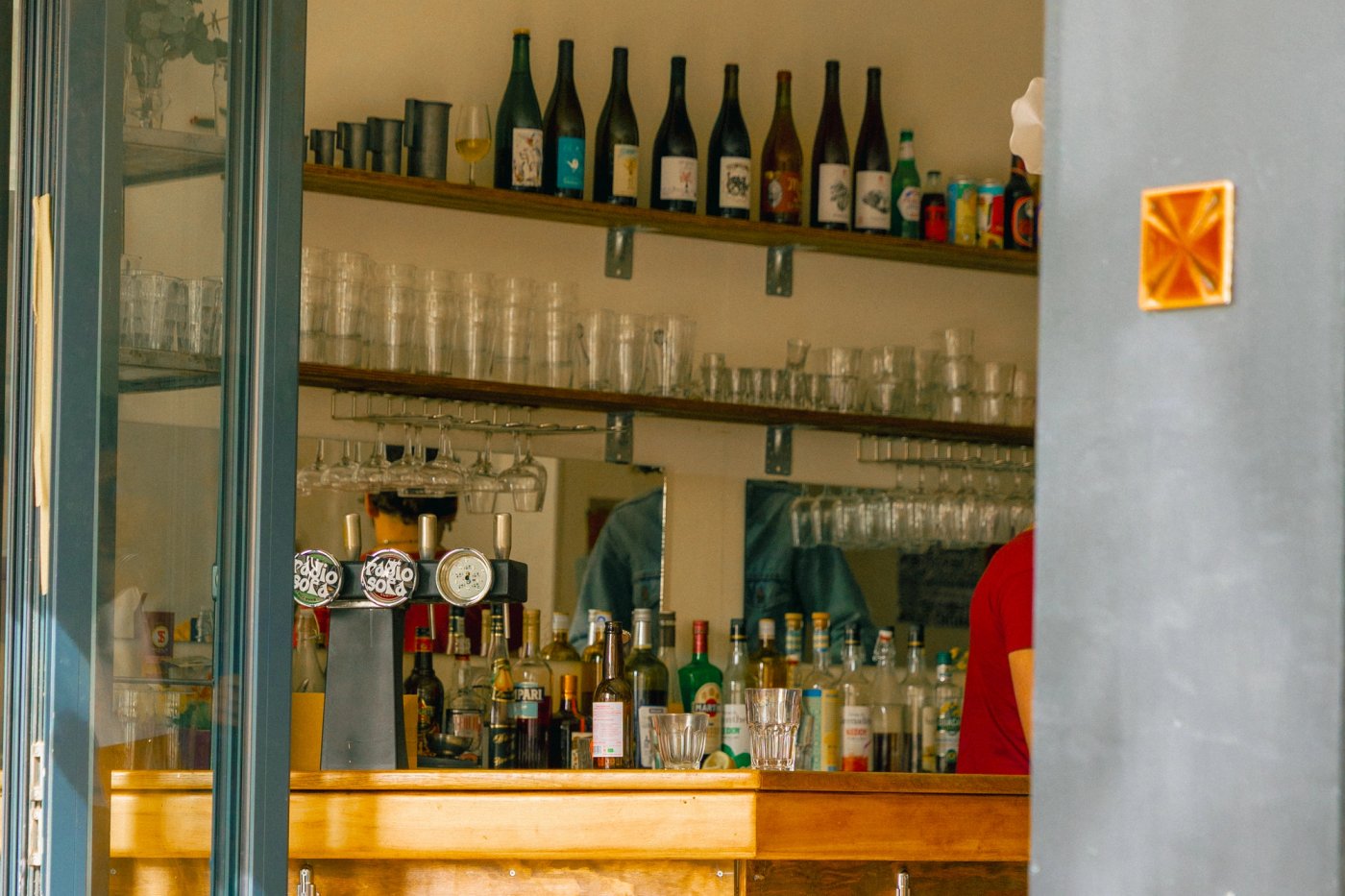
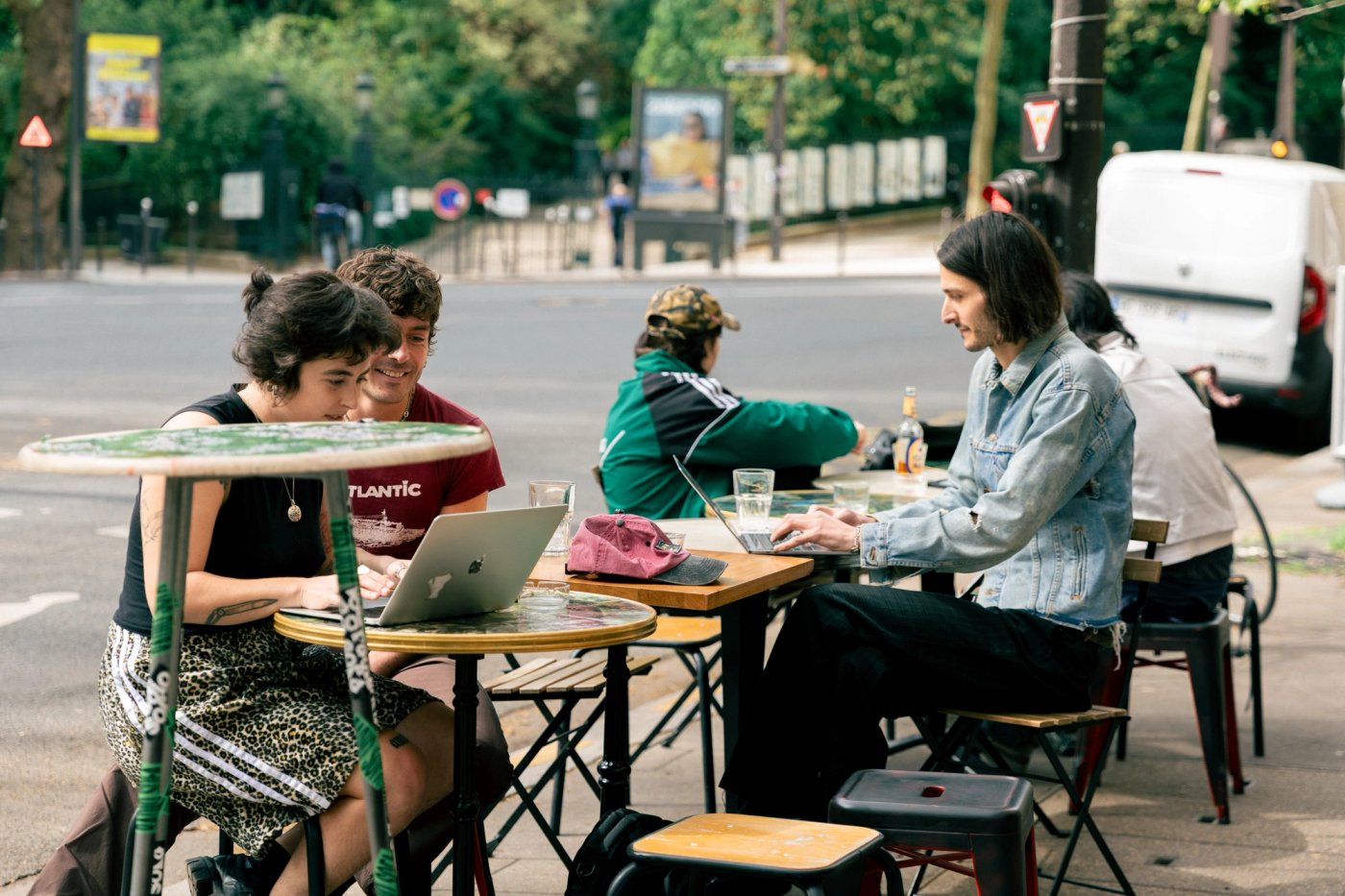
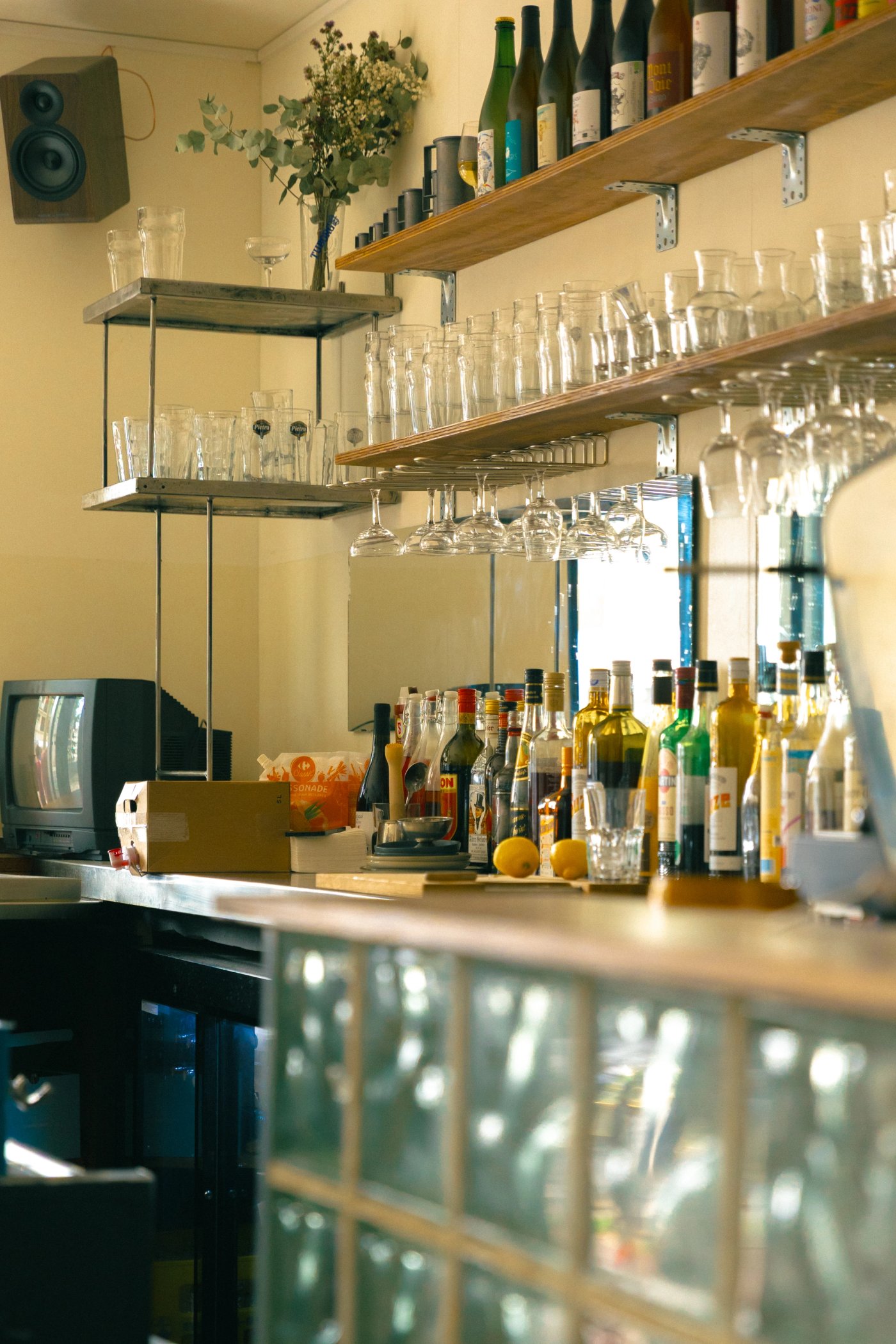
On a sunny Friday afternoon in the 19th arrondissement, I sat down with Valentin and Noé, two members of Radio Sofa, the ten-strong collective behind the web radio1“Developed in 1993 in the United States, net-radio (or web radio, online radio) is defined as an audio technology that streams over the internet” Malamud, C. 1997. A world’s fair the global village. Cambridge, MA: MIT Press. Studies such as Baltzis Alexandros’ "Subversive Technologies: Web Radio and Cultural Change." in Radio Content in the Digital Age refers to web radio as an opportunity to subvert the “gatekeeping” aspect of traditional music radio by not relying on the cultural capital of a small select group of programmers with specific cultural capital heavily influenced by the need to appeal to advertisers (remaining family-friendly) and maximising profit (relying on music on top of charts, artists with established fanbases). and their brand new venue, Antenne 47. Tucked into a stylish, laidback space, the café-bar doubles as a live recording studio where emerging local DJs and artists come to lay down curated sets: downtempo, trip-hop, experimental, and beyond.
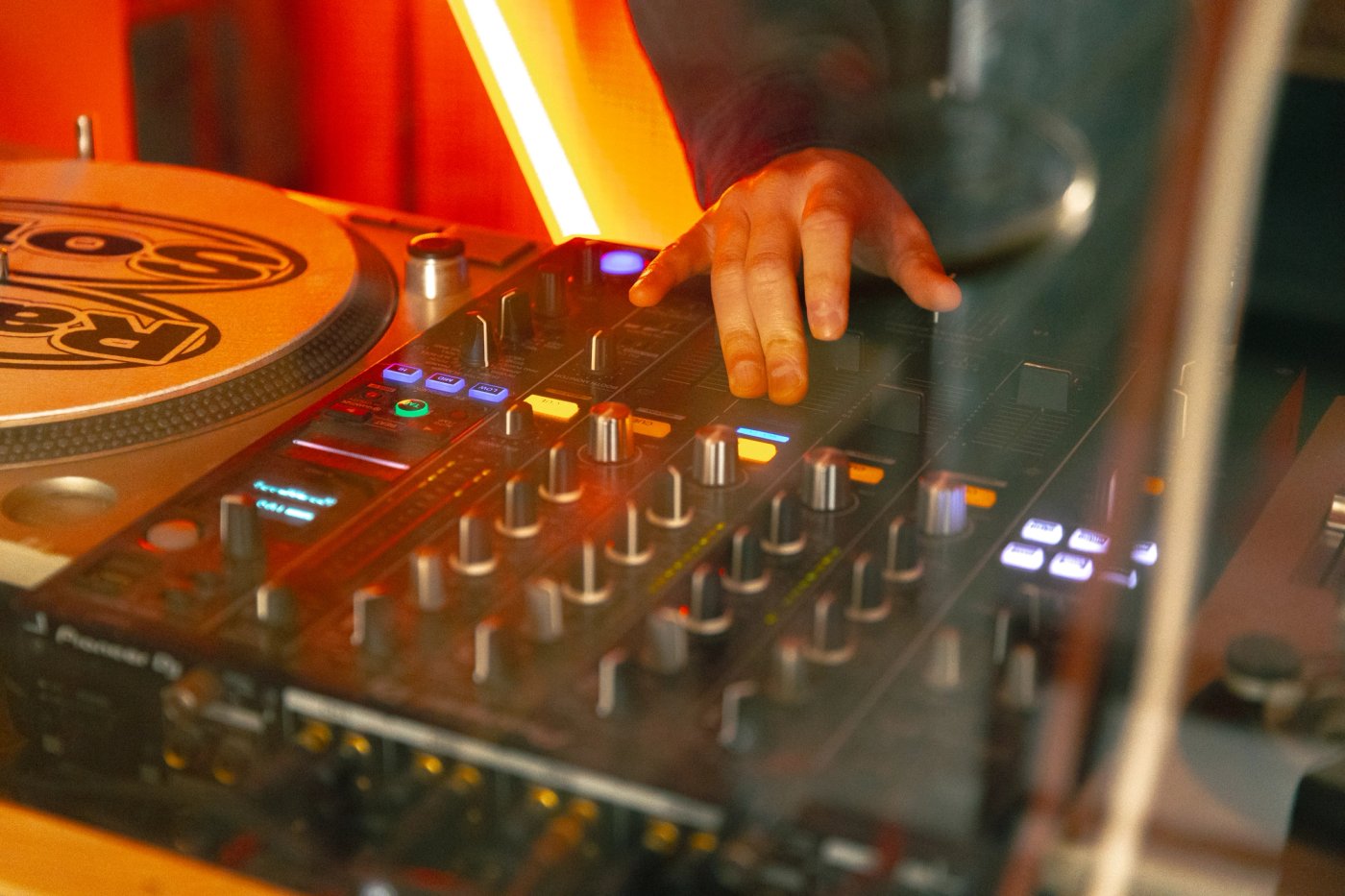
Radio Sofa launched in 2020 under the slogan "à écouter assis·e et debout", a nod to their 24/7 web radio and the parties they threw across Paris. Back then, they were four members. "All the clubs were closed, the concert venues too," Valentin recalls. "We wanted to start a project, a collective, to keep the scene alive. At first it was just playlists, and then we thought: web radio, let's build a player, create a website. That's how it started."
As lockdown dragged on, they began inviting artists to send in pre-recorded sets. "It gave DJs who no longer had bookings a way to keep their project going," Valentin says. When clubs finally reopened, dance and listening events followed – and for a while, that's what Radio Sofa became known for. "For five years we were honestly more known for our events than for the radio," Valentin admits. Without a recording studio, the artist programming remained limited. "But now that we have the studio, everything is developing. The number of shows has multiplied by at least five or six." They now count close to a hundred resident artists.
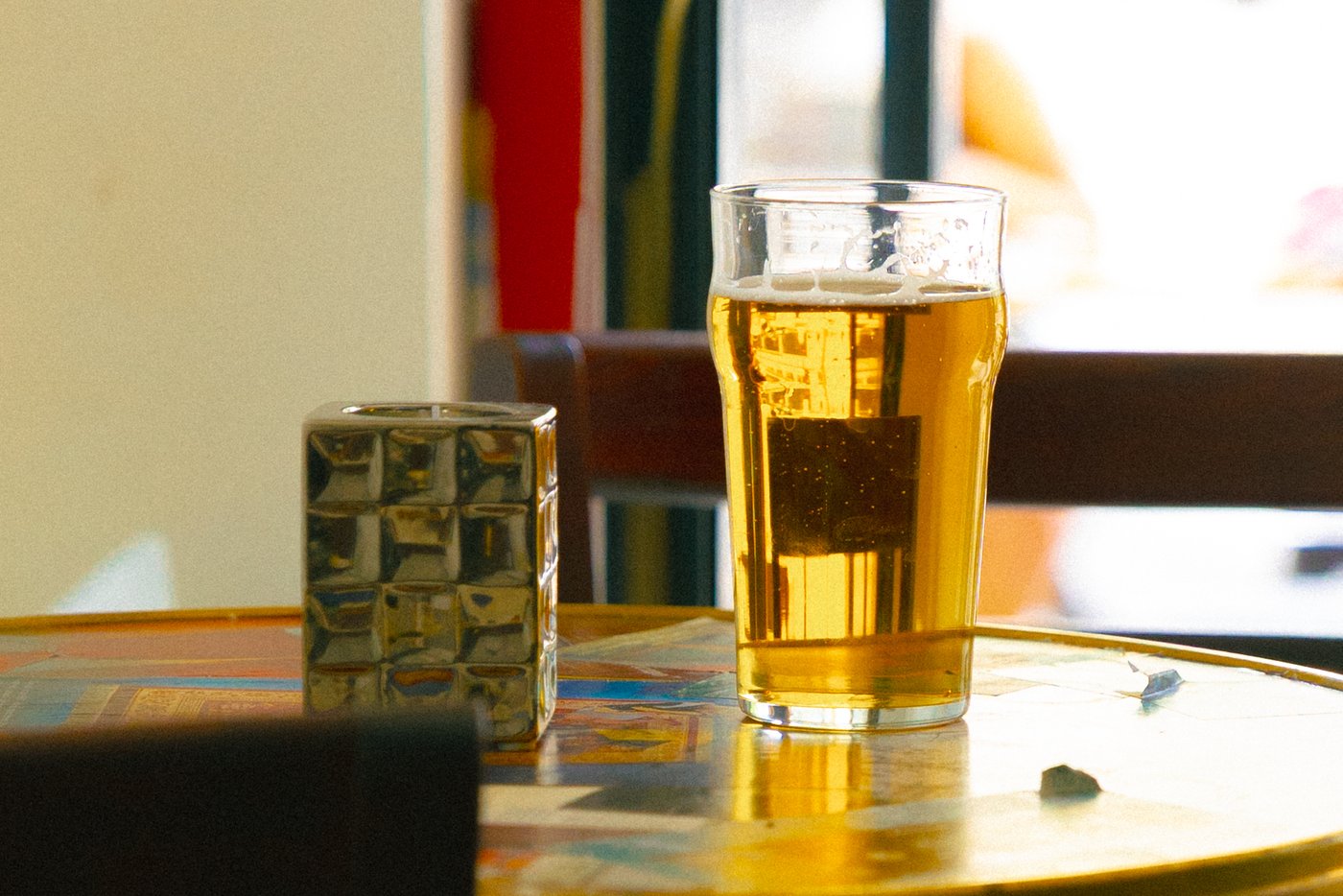
The café-bar itself was a year and a half in the making. Noé and Valentin worked with architect friends Léna Moussaigne and Erin Gurdal on the interior design, helping create the welcoming space, one shaped by years of research abroad. "Every time one of us travels somewhere new, we go find the local radio," says Noé. Over five years of visits to stations across Berlin, Amsterdam, Lisbon and Istanbul, a pattern emerged: the radios they admired had all solved the same problem the same way, anchoring their web presence to something people will physically show up and pay for. Their answer was the bar, an economic model with potential, since the radio itself is non-profit and events barely break even.
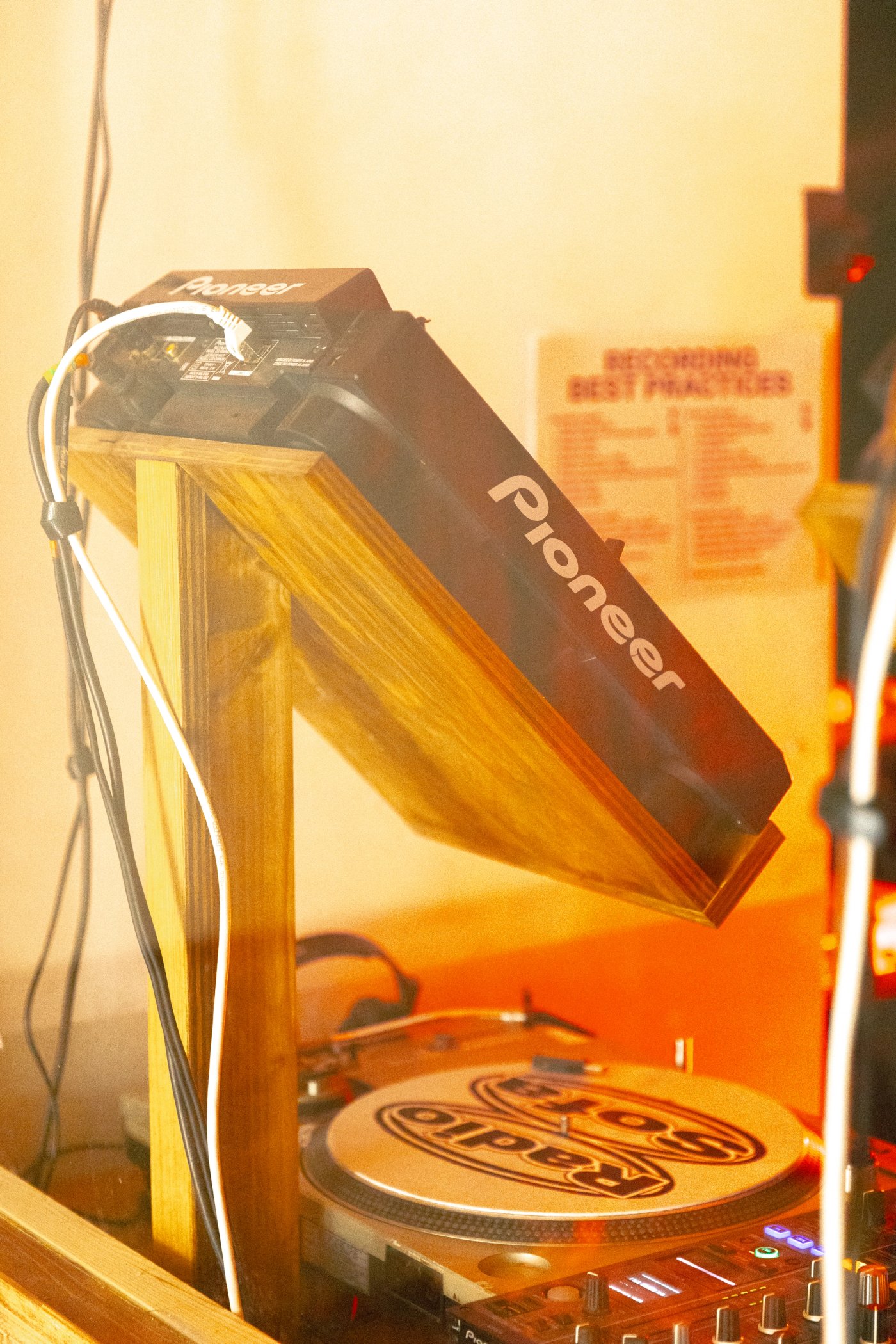
While the focus remains firmly on local and emerging artists rarely encountered in mainstream media, international names do find their way into the programming. "Foreign artists we bring in tend to be people passing through Paris for gigs, and we offer them the chance to come and record in the studio," Valentin explains. The result is a place built around a clear listening philosophy. "The programming is shaped by the idea that radio is something people put on at home, accompanying their day alongside other activities – whether they're working or just going about their lives," Noé explains. "That context calls for music that doesn't demand to be danced to, but still holds attention."
Antenne 47 is worth paying attention to for reasons that go beyond the novelty of a café with a recording studio out back. It reveals something about the state of cultural funding in France: who it’s built for, and who it leaves out.
When Valentin describes their attempts to access public funding, the picture is bleak but unsurprising to anyone who has tried to navigate French cultural institutions as a small collective. "If you're not already big, trying to get subsidies is usually a nightmare," he says. During the years they were building the project, the cultural budget was absorbed almost entirely by the Paris Olympics. Alternative musical projects barely profited. The grants that did exist came with prerequisites – a permanent employee on contract, years of documented activity, an institutional track record – that effectively excluded the very collectives they were ostensibly designed to support. "We never ticked the boxes," Valentin admits. They had to find another way.
This points to something France’s cultural subsidy framework still struggles to reckon with: the most interesting things happening in independent music right now are often built on hybrid models that don't fit existing categories. An internet radio is not a venue. It's not a label. It's not a media outlet in any traditional sense. It lives in the gaps between those categories, and a system built around rigid definitions can’t accommodate it.
What's refreshing about the web radio world, Valentin and Noé explain, is the absence of competition within it. "There's no ego thing between radios," Valentin says. "They help each other." Web radios don't compete for the same audience the way labels compete for market share, because their value isn't extractive. They’re not trying to trap listeners with algorithms or flatten programming to please advertisers.
Web radios like Radio Sofa are valuable not only to their listeners, but also their artists. "For touring artists, web radio sets are a calling card," Noé says. "They're recorded, often filmed, and artists use the footage to send to clubs, to collectives. It's how they show their range.”
The word "political" comes up near the end of my conversation with Noé. "We put forward the voice of a certain part of the population, and we spread a message that isn't controlled by us but made by the people who participate and produce content for the radio. In that sense it comes from the people. It's the voice of the people. It's political because it spreads a message that most of the time isn't the one you hear in the media, isn't the one that gets put forward because these aren't the people who usually get handed a microphone. Even if there's more music than conversation, it's still a message in its own way."
You can find Radio Sofa on https://www.radio-sofa.com/ and on their Instagram @radio.sofa and Antenne 47 on 6 Rue Botzaris, 75019 Paris
Un vendredi après-midi ensoleillé dans le 19e arrondissement, je me suis installée avec Valentin et Noé, deux des dix membres du collectif Radio Sofa, à l'origine de la webradio1« Apparu en 1993 aux États-Unis, le terme « radio en ligne » (ou web radio, net radio) désigne une technologie audio permettant la diffusion en continu sur Internet. » Malamud, C. 1997. A world’s fair the global village. Cambridge, MA: MIT Press. Des études telles que celle d’Alexandros Baltzis, intitulée « Subversive Technologies: Web Radio and Cultural Change », publié dans Radio Content in the Digital Age, présente la webradio comme une opportunité de renverser le rôle de « gatekeeper » de la radio musicale traditionnelle en ne s’appuyant pas sur le capital culturel d’un petit groupe restreint de programmateurs, fortement influencé par la nécessité de plaire aux annonceurs (en restant familial) et de maximiser les profits (en misant sur les titres en tête des classements et les artistes disposant d’une base de fans établie). Radio Sofa et de leur tout nouveau lieu, Antenne 47. Niché dans un espace chic et décontracté, le café-bar abrite en fond de salle un studio d'enregistrement radio en live, où des DJs et artistes émergents viennent poser leurs sets soigneusement sélectionnés : downtempo, trip-hop, musique expérimentale et bien d'autres.
Radio Sofa a vu le jour en 2020 sous le slogan « à écouter assis·e et debout », un clin d'œil à leur webradio disponible 24h/24 et aux soirées qu'ils organisaient à travers Paris. À l'époque, ils n'étaient que quatre. « Tous les clubs étaient fermés, les salles de concert aussi », se souvient Valentin. « On voulait lancer un projet, un collectif, pour maintenir la scène en vie. Au début c'était juste des playlists, et puis on s'est dit : webradio, on construit un player, on crée un site. C'est comme ça que ça a commencé. »
Au fil du confinement, ils ont commencé à inviter des artistes à envoyer des sets pré-enregistrés. « Ça donnait aux DJs qui n'avaient plus de dates une façon de continuer à faire vivre leur projet », explique Valentin. Quand les clubs ont enfin rouvert, des soirées dansantes et des événements d'écoute ont suivi et pendant un temps, c'est ce pour quoi Radio Sofa était connu. « Pendant cinq ans, on était honnêtement plus connus pour nos événements que pour la radio », admet Valentin. Sans studio d'enregistrement, la programmation artistique restait limitée. « Mais maintenant qu'on a le studio, tout se développe. Le nombre d'émissions a été multiplié par cinq ou six au moins. » Ils comptent aujourd'hui près d'une centaine d'artistes résidents.
Le café-bar lui-même a nécessité un an et demi de travail. Noé et Valentin ont collaboré avec leurs amis architectes Léna Moussaigne et Erin Gurdal pour la conception intérieure, contribuant à créer un espace accueillant, façonné par des années de recherches à l'étranger. « À chaque fois que l'un d'entre nous voyage quelque part, on va chercher la radio locale », raconte Noé. Au fil de cinq ans de visites dans des stations à Berlin, Amsterdam, Lisbonne et Istanbul, un schéma s'est dessiné : les radios qu'ils admiraient avaient toutes résolu le même problème de la même façon, en ancrant leur présence web à quelque chose pour lequel les gens se déplacent physiquement et sont prêts à payer. Leur réponse, c'est le bar, leur seul modèle économique, puisque la radio elle-même ne génère aucun revenu et que les événements sont à peine rentables.
Si la priorité reste les artistes locaux et émergents, rarement mis en avant dans les médias grand public, des noms internationaux trouvent également leur place dans la programmation. « Les artistes étrangers qu'on fait venir sont souvent des gens de passage à Paris pour des concerts, à qui on propose de venir enregistrer au studio », explique Valentin. Il en résulte un lieu construit autour d'une philosophie d'écoute bien définie. « Il y a un peu aussi cette volonté d'avoir quand même un peu plus de assis que de debout sur la prog radio générale. On essaie de se tenir au fait que ça reste quelque chose que les gens écoutent souvent quand ils sont chez eux, et donc qui accompagne leur journée, et souvent d'autres activités – ça peut être ils sont en train de travailler, de faire n'importe quoi chez eux, mais souvent c'est chez eux, et du coup c'est quand même plus adapté à de la musique non dansante, potentiellement la plupart du temps », explique Noé.
Antenne 47 mérite qu'on s'y attarde pour des raisons qui vont au-delà de la nouveauté d'un café avec un studio d'enregistrement au fond. Elle révèle quelque chose sur l'état du financement culturel en France : pour qui il est conçu, et qui il laisse de côté.
Quand Valentin décrit leurs tentatives d'accès aux financements publics, le tableau est sombre mais guère surprenant pour quiconque a essayé de naviguer dans les institutions culturelles françaises en tant que petit collectif. «Si tu n'es pas déjà gros pour aller chercher des subventions souvent c'est une galère en France. », dit Valentin. Durant les années où ils construisaient le projet, le budget culturel a été absorbé presque entièrement par les Jeux olympiques de Paris. Les projets musicaux alternatifs ou électroniques en ont à peine profité. Les aides qui existaient étaient assorties de conditions préalables (un salarié permanent en CDI, des années d'activité documentée, un historique institutionnel) qui excluaient de fait les collectifs mêmes qu'elles étaient censées soutenir. « On n'a jamais coché les cases », admet Valentin. Il leur a fallu trouver une autre voie.
Cela pointe vers quelque chose que le système français de subventions culturelles peine encore à intégrer : les projets les plus intéressants de la musique indépendante reposent souvent sur des modèles hybrides qui ne rentrent dans aucune case existante. Une radio internet n'est pas une salle de concert. Ce n'est pas un label. Ce n'est pas un média au sens traditionnel du terme. Elle vit dans les interstices entre ces catégories, et un système fondé sur des définitions rigides ne peut pas l'accueillir.
Ce qui est rafraîchissant dans l'univers des webradios, expliquent Valentin et Noé, c'est l'absence de compétition en son sein. « Il n'y a pas d'ego entre les radios », dit Valentin. « Elles s'entraident. » Les webradios ne se disputent pas le même public comme les labels se disputent des parts de marché, parce que leur valeur n'est pas extractive. Elles ne cherchent pas à piéger les auditeurs avec des algorithmes ni à lisser leur programmation pour satisfaire des annonceurs.
Les webradios comme Radio Sofa ont de la valeur non seulement pour leurs auditeurs, mais aussi pour leurs artistes. « Parce qu'un des grands moyens pour les gens, les artistes qui tournent, c'est de montrer aussi leur palette, et de communiquer via les web radios, parce que souvent les web radios sont enregistrées, filmées potentiellement, et donc pour eux c'est une carte de visite pour soit envoyer à des clubs, envoyer à des collectifs. », dit Noé.
Le mot « politique » surgit vers la fin de ma conversation avec Noé. « On met en avant la voix d'une certaine partie de la population, et on diffuse un message qui n'est pas contrôlé par nous mais fait par les gens qui participent et produisent du contenu pour la radio. En ce sens, ça vient du peuple. C'est la voix du peuple. C'est politique parce que ça diffuse un message qui, la plupart du temps, n'est pas celui qu'on entend dans les médias, n'est pas celui qu'on met en avant parce que ce ne sont pas les gens à qui on tend habituellement le micro. Même si nous il y a plus de musique que de discussion, ça reste un message d'une certaine manière. »
Vous pouvez retrouver Radio Sofa sur https://www.radio-sofa.com/ ainsi que sur leur compte Instagram @radio.sofa, et Antenne 47 au 6, rue Botzaris, 75019 Paris
Photos : Helena Streimann
Get RÜTM in your inbox

Smerz - 12.04.26 - Gaîté Lyrique
Smerz promised Paris a taste of Big city life. The aesthetic delivered. But the show left behind a trail of confused ambiance.


The Hellp - 14.03.26 - Cabaret Sauvage
The Hellp claim they're "the only cool band left", but do their live shows reflect that?